



Integrity and ethics: Keystones of accountable leadership, sustainable national development
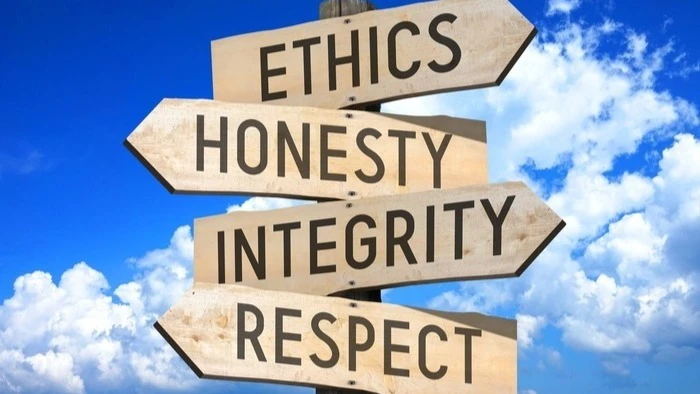
INTEGRITY may appear to be a simple word, yet it carries profound meaning in human life and in the life of a nation. It is the foundation upon which trust, ethical conduct, and responsible governance are built.
Every society requires its leaders and citizens to live by ethical principles if it is to enjoy a reputation for good leadership, social harmony, and sustainable development. Without integrity, institutions weaken, public confidence erodes, and national progress is undermined.
Violations of ethics and conflicts of interest in leadership and public service remain challenges that the government continues to address. Over the years, the government has enacted policies, laws, regulations, and issued guidelines aimed at strengthening ethical conduct in public leadership.
These efforts reflect recognition that integrity, transparency, and accountability are indispensable in public institutions and workplaces, particularly in the management of the national economy for the benefit of all citizens.
The guideline governing the ethics of public leaders is a continuation of these reforms. It emphasizes ethical behavior, transparency, and accountability as central pillars of leadership and public service.
Its ultimate goal is to ensure that public institutions are managed professionally and responsibly, thereby contributing to national economic growth and social development. For these efforts to yield the intended results, every leader and public servant must be firmly guided by integrity, honesty, professionalism, and a genuine commitment to serving the public interest.
The development of any country largely depends on the observance of clearly defined ethical standards in the management of national resources and in the delivery of quality services, both in the public and private sectors.
Ethics provide a permanent remedy to the erosion of values and the prevalence of conflicts of interest in leadership and public service. Beyond laws and regulations, good values must be embedded within the broader social system and reflected in everyday conduct.
In this context, it is essential to unite the efforts of various social groups to build a just and inclusive society. Public leadership should serve as a catalyst for promoting equality, unity, love, and peace, while setting an example in respecting the rule of law. Leaders are expected not only to enforce ethical standards but also to embody them, thereby inspiring confidence and moral responsibility among citizens.
Consequently, addressing ethical challenges is a shared responsibility. Public leaders, institutions, and all stakeholders must work together to ensure the proper management and effective implementation of ethical guidelines.
Through these efforts, Tanzanians can collectively nurture good values beginning at family level and extending through education, religion, and the workplace. Ethics must be taught, practiced and reinforced across all spheres of society.
The guideline also serves as a tool for identifying strategies and methods to achieve its intended goals. Ethics are widely regarded as an antidote to corruption, abuse of power, and other societal evils. Every leader and public servant therefore has a duty to demonstrate ethical conduct in their work and to avoid conflicts of interest that compromise public trust and national development.
Public integrity violations and conflicts of interest are not unique to Tanzania; they affect many countries worldwide. Such practices have devastating consequences for national economies and political, cultural, and social development. They often manifest through the misuse of public resources, illegal accumulation of wealth, favoritism, participation in decision-making processes where leaders have personal interests, unfair decisions, lack of accountability, leakage of confidential government information, and engagement in unethical business dealings.
Recognizing these challenges, the government has taken deliberate steps to address unethical conduct by public leaders. These measures are anchored in the National Constitution of 1977 and reinforced through the Ethics of Public Leaders Act of 1995.
More recently, the enactment of the Public Leaders Ethics Act No. 4 of 2025 established a stronger mechanism for monitoring ethical conduct through an Ethics Commission. These efforts are commemorated annually during Public Leaders’ Ethics and Human Rights Day, observed every 10th of December.
Within the Union Government, the Public Leaders’ Ethics Commission plays a central role in monitoring and investigating the behaviour and conduct of public leaders.
The laws establishing the commission require leaders and public servants to declare their assets and submit relevant forms to the commission by the end of December each year. As deadlines approach, the government consistently issues stern warnings and threatens legal action against those who fail to comply with the requirements.
President Samia Suluhu Hassan, has repeatedly emphasized the importance of upholding national values to safeguard peace, love, and harmony among citizens.
During the swearing-in of her appointees at various levels, the President has consistently urged leaders and public servants to carry out their duties with integrity, honesty, patriotism, and transparency. She has stressed that a decline in moral values among public servants often stems from a lack of commitment and genuine spirit of service to the nation.
According to the President, despite the existence of ethical standards, only about 30 percent of leaders fully comply with legal requirements. This gap highlights the urgent need to strengthen ethical awareness, enforcement, and personal responsibility in public service.
Historically, the emphasis on ethics in public leadership dates back to the first phase of the Tanzanian government. On April 27, 1973, a bill on the ethics of public leaders was passed by the National Assembly following the realization that some leaders were violating the moral principles of the Arusha Declaration, which guided the policies of socialism and self-reliance at the time.
In a recent effort to reinforce ethical standards, Prime Minister Mwigulu Nchemba, shortly after assuming office following the October 2025 general elections, met with the Secretariat for the Ethics of Public Leaders in Dodoma.
He observed that the declaration requirements under Law No. 13 of 1995, as amended in 2001, were insufficient in fully disclosing assets owned by public leaders. The Prime Minister directed the Secretariat to establish a confidential information unit to address inconsistencies and investigate suspicious declarations.
He instructed the Secretariat to identify corruption loopholes, investigate unexplained wealth, and verify whether declared assets correspond with leaders’ income and length of service. These measures aim to close legal gaps that have enabled unethical behavior.
The principles guiding the ethics of public leaders include integrity, honesty, commitment to national interest, professionalism, impartiality, avoidance of conflicts of interest, rejection of bribes and prohibited gifts, proper use of public resources, accountability, and adherence to laws and procedures.
Upholding these principles is essential for restoring public trust, strengthening governance, and ensuring sustainable national development.
Top Headlines
Trending Stories











© 2026 IPPMEDIA.COM. ALL RIGHTS RESERVED