



Negative nutrition driving non-communicable illness
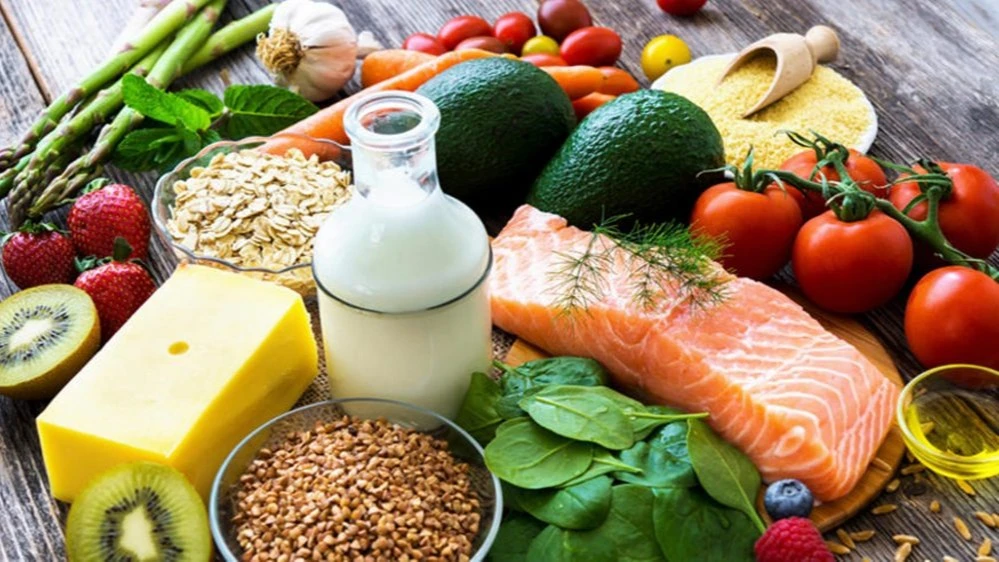
INADEQUATE nutrition and excessive food intake have been linked to an increasing burden of diseases such as hypertension, diabetes and cancer on the one hand, along with anemia, wasting and stunting on the other hand, as well as cancer.
Grace Mushi, a senior nutrition officer with the Health ministry, said at a regional workshop for health and nutrition stakeholders from Tanzania, Kenya and Somalia in Mwanza lately that current data indicates that 12 percent of children are underweight, 59 percent suffer from anaemia, and up to 4.0 percent are overweight while three per cent are in a wasting situation.
Three out of every 10 children suffer from stunting caused by poor nutrition, with malnutrition encompassing inadequate intake or excessive consumption of food being a major driver of non-communicable diseases.
“We are now witnessing increasing cases of hypertension and diabetes, while cancer cases are also rising largely due to poor dietary practices,” she said, underlining that under-nutrition affect children and women of reproductive age more severely.
Stunting remains a major national concern, meanwhile as 42 per cent of women of reproductive age face nutrition related challenges, 56 per cent of pregnant women suffer from anaemia and 36 percent are overweight or obese, she explained.
Anaemic situations arise from inadequate intake of essential vitamins and minerals, as well as unhealthy diets that lack balanced nutrients, outlining efforts to combat both sides of the nutrition challenge.
Under-nutrition is a major problem for expectant mothers and children while morbid situations are caused by over-nutrition (obesity) as a central factor fueling the rise in non-communicable diseases (NCDs), she asserted.
The government, in collaboration with development partners, has introduced various strategies and interventions to address the problem, including the signing of performance contracts with regional commissioners to strengthen nutrition governance at regional and local levels, she stated.
Implementation of these interventions is being taken up with outreach efforts to local councils and households to ensure that communities receive accurate nutrition education, she said, pointing at Shinyanga Region as among the most affected areas.
The government, in partnership with World Vision Tanzania, is implementing the ‘grow enrich’ global programme in Kishapu and Shinyanga districts in nine wards and 38 villages to improve community nutrition outcomes, she elaborated.
Mussa Makungu, the acting regional nutrition officer, said that the project has contributed to improved nutrition status, reduced maternal-related deaths and curbing harmful cultural practices that undermine child nutrition.
“There has been a positive shift in community attitudes. More men are now involved in nutrition issues, groups have been formed to encourage pregnant women to attend clinics early for risk detection, with communities empowered to save money specifically for nutrition needs,” he explained.
Despite high levels of food production in rural areas, challenges persist as a large portion of the harvested food is sold, leaving families nutritionally vulnerable, he remarked, pointing out that farmers have been trained and provided with improved seeds, including orange-fleshed sweet potatoes.
They have better knowledge on proper food storage methods to preserve nutrients for longer periods, he said, in remarks echoed by Dr Stanford Kaserwa, the health and nutrition coordinator at World Vision (Tanzania).
He said that since 2023 project activity has reached about 230,000 people. 90 percent of targeted beneficiaries in the region. Up to 55 schools and more than 400 households have benefited, with communities gaining improved knowledge and skills on health and nutrition, including exposure to indices on appropriate feeding practices for children aged zero to 59 months, he added.
Top Headlines
Trending Stories
















© 2026 IPPMEDIA.COM. ALL RIGHTS RESERVED