



PM: Ministry needs to observe same medical consultation fees

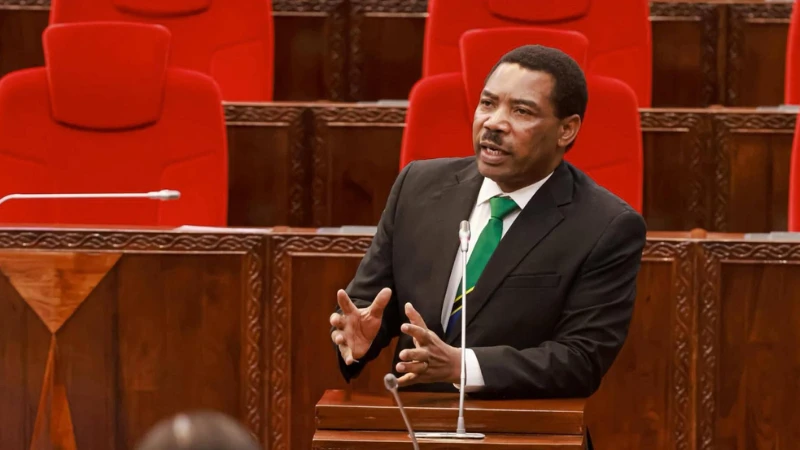
PRIME Minister Dr Mwigulu Nchemba has directed the Ministry of Health to adhere to official medical service charges and fast-track the formulation of regulations to establish uniform health service fees across the country.
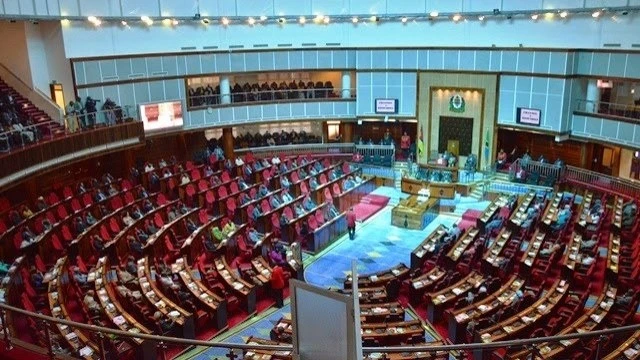
He issued this instruction while responding to Emmanuel Cherehani (Ushetu) during the direct question and answer session yesterday, who sought the government’s position on fees charged on citizens for consultations with doctors as they are government employees paid by the state
The premier said that standardising charges will eliminate disparities and ease burdens on citizens, as the proposed amendments will ensure consistency in charges nationwide and address complaints from the public over varying fees in different health facilities.
Under the universal health insurance framework, citizens are encouraged to enrol in health insurance schemes to reduce out-of-pocket expenses when seeking medical services, he said, pointing out that specific groups are legally exempted from contributing to health service costs.
These are children under five, pregnant women, the elderly and patients with epidemic-prone diseases, remarking that they are entitled to be treated without being billed for services received as per existing exemptions.
He said the government would closely monitor health facilities to eliminate negligence and excuses that cause delays for patients, as healthcare services should not be subjected to unnecessary waiting, he said, addressing challenges patients face in hospitals.
In other remarks, he cautioned traders against exploiting citizens by raising prices of goods as the fasting month of Ramadhan approaches, stressing that the country currently has sufficient food supplies.
Despite below-average rainfall in many parts of the country announced by the Tanzania Meteorological Authority (TMA) the country has no food shortage and hence no justification for increasing food prices, he stated.
He was responding to Nancy Nyalusi (Special Seats) who sought to know how the government will ensure food sufficiency and control price rises ahead of Ramadhan in particular.
“At present, we have enough food. The national strategic food reserve requirement is about 150,000 tonnes, but the country currently has more than 400,000 tonnes of food reserves,” he said, pointing at a directive to regional commissioners to encourage citizens to follow expert advice on suitable crops to cultivate at any given moment or place.
RCs also need to ensure that extension officers reach out to educate farmers on the proper use and conservation of available food stocks in the wake of below normal rains this year, he emphasized.
“Citizens should preserve food and limit consumption to essential use only, so that they can maintain reserves,” he added.
Top Headlines
Trending Stories












© 2026 IPPMEDIA.COM. ALL RIGHTS RESERVED